Compare wet diamond blades, ladder mesh, and SDS chisels using practical criteria for distribution, project supply, and private labeling.
Masonry accessories may represent a small share of a project budget, but incorrect specifications can quickly disrupt installation. Importers and project buyers should evaluate compatibility, material, dimensions, and packaging before comparing prices. Three useful product groups illustrate how a specification-led approach can support clearer purchasing decisions.
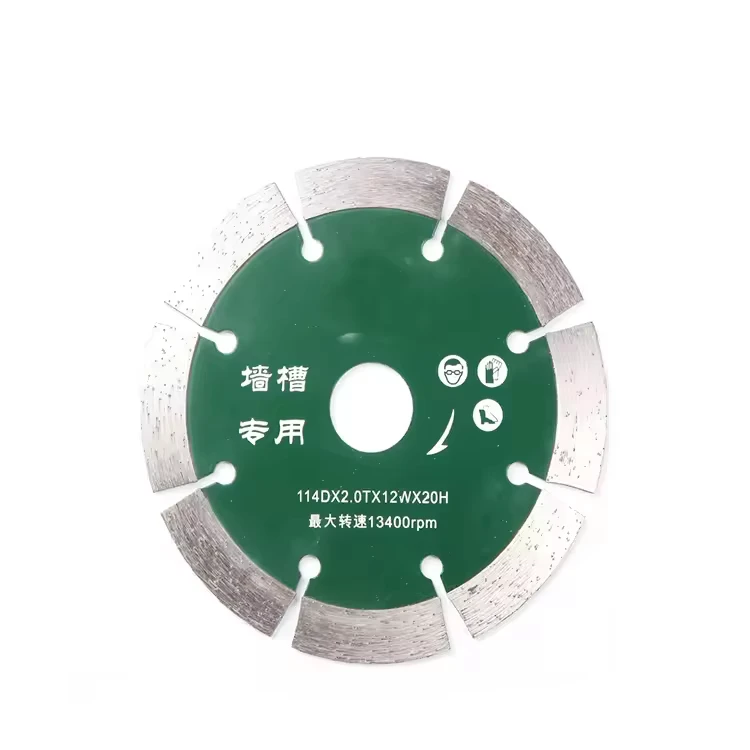
Match Cutting and Reinforcement Products to the Application
For granite fabrication and installation, a wet diamond blade should be selected according to machine arbor, blade diameter, cutting thickness, and manufacturing process. Available specifications include several arbor and diameter options, with hot-pressed or high-frequency welded construction. Buyers should confirm the intended equipment and required finish before ordering.
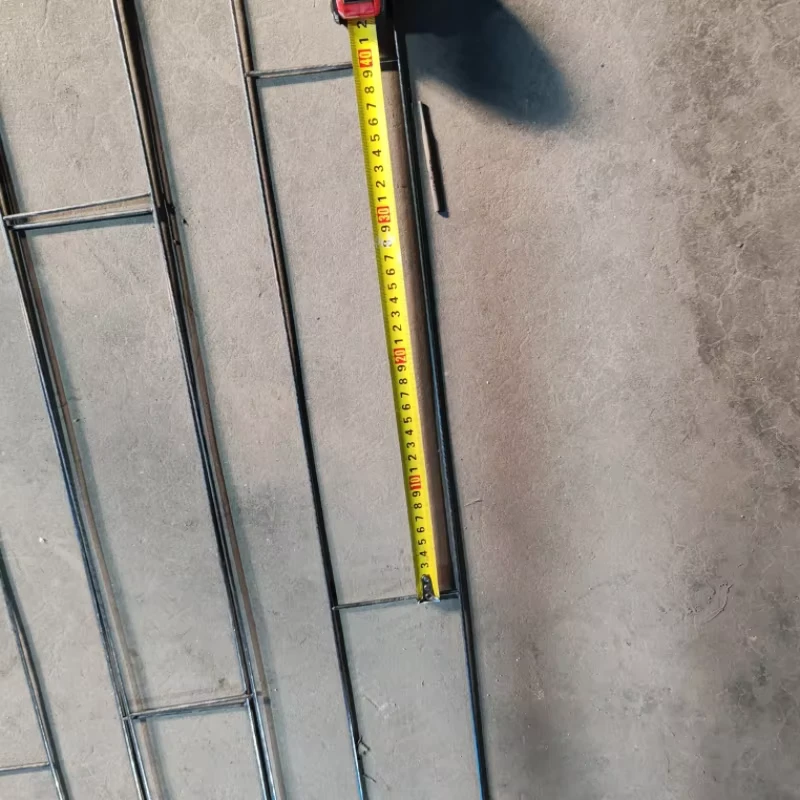
Horizontal joint reinforcement requires a different checklist. The ladder mesh is available in galvanized or stainless steel, with customized lengths and a 100 mm format. For distributors and contractors, coating type, corrosion exposure, wall design, transport length, and local building requirements are important points to clarify during sourcing.
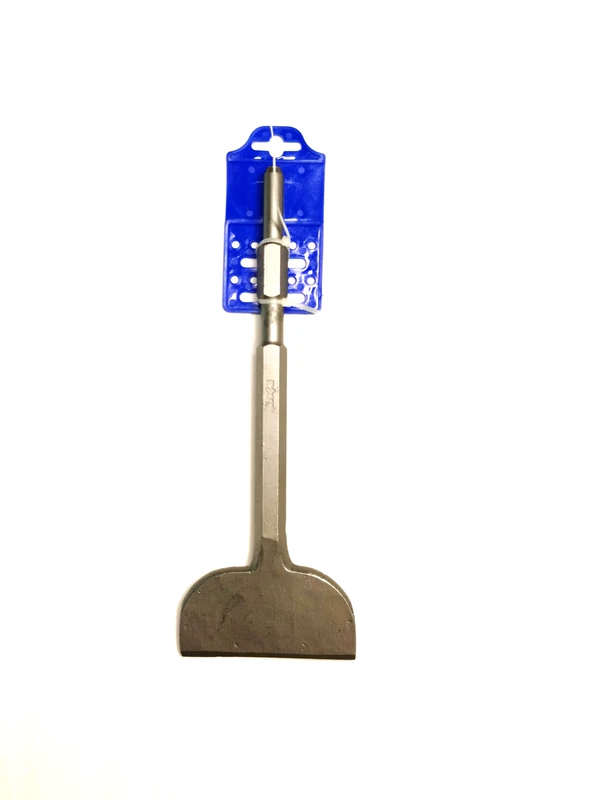
Consider Tool Interface and Range Planning
For concrete, brick, wall, and stone work, an SDS hammer chisel offers a practical option for demolition and surface preparation. The product uses steel construction with sandblasted finishing and is available in lengths from 140 mm to 1000 mm. OEM and ODM support can also help brands develop suitable assortments, labeling, and packaging.
Together, these products address cutting, reinforcement, and removal tasks without forcing buyers into a single application category. Explore more masonry accessories, or send your target specifications, order quantities, destination market, and packaging requirements for a tailored quotation.